How Shelters Could Evolve… Without Losing Their Soul
Pet-inclusive shelters don’t require a revolution. They require a reframe.
Editor’s Note: Real Change Starts With Real People
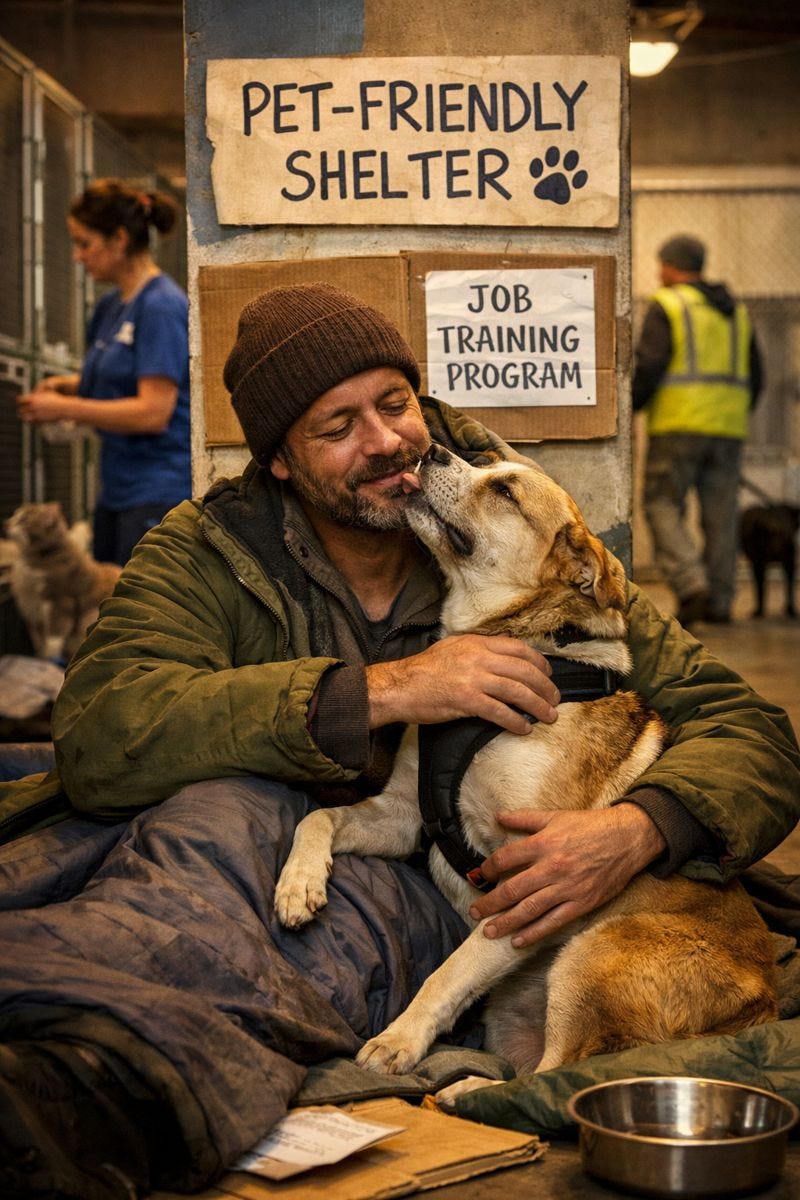
When we talk about evolving shelter policy to be pet-inclusive, this isn’t some distant ideal on a cloud somewhere. This is down-to-earth reform that’s already happening, in places you might not expect. Take Brazil, for example: some animal shelters there are going beyond opening their doors to people experiencing homelessness and their dogs… they’re employing them to care for rescued animals, offering wages, training and a solid pathway towards stability. (Instagram)
That’s not idealism. That’s ingenuity.
Inclusive policy isn’t about throwing open the doors and hoping for the best. It’s about rethinking the systems we already have so they work for the whole community. It’s about recognising that someone with lived experience of homelessness brings empathy, grit and skill to roles too often left off the organisational chart. It’s about shelter staff feeling confident and supported, not anxious and overburdened. And it’s about outcomes that matter: trust built, dogs kept with their humans, people moving closer to permanent housing rather than being left further behind.
This is practical reform… the kind that sits at the intersection of compassion, common sense and measurable impact. Pet-inclusive shelters aren’t utopian dreams. They are evidence-based responses to real human and animal needs.
That’s the direction we’re headed in this edition: clear eyes, open hearts and policies that reflect the world as it actually is… not the world as we wish it might be.
Most existing policies weren’t written to be cruel. They were written for control, hygiene, liability and predictability. The problem is that human lives… especially precarious ones… are rarely predictable. Add an animal into the mix and suddenly the paperwork says “no”, even when common sense and compassion are quietly screaming “yes”.
The good news is this: evolution is already possible within the systems we have. It starts with one simple shift in thinking.
A dog is not an obstacle to housing.
A dog is part of the housing equation.
From there, policy begins to soften without collapsing.
Start with designated pet-inclusive spaces
Not every shelter needs to be fully pet-inclusive overnight. A small number of designated rooms, pods or outdoor-adjacent units can make an enormous difference. These spaces can be designed with easy-clean surfaces, ventilation and clear boundaries, giving staff confidence while preserving dignity for residents.
It’s not about turning shelters into kennels. It’s about recognising that one size never fitted all.
Shared responsibility, not punishment
Many shelters worry about damage, noise or safety. These are valid concerns… but exclusion isn’t the only answer. Clear, humane agreements can outline expectations around care, cleanliness and behaviour without framing pet owners as a risk category.
Most people experiencing homelessness already take extraordinary care of their animals. Their dog is often better fed, walked and emotionally regulated than they are. Policy should reflect reality, not stereotypes.
Partnerships instead of isolation
Shelters don’t need to become veterinary experts. Partnerships with local vets, rescue groups and volunteers can provide vaccinations, microchipping, basic training and health checks. Some already do this quietly, on goodwill and borrowed time.
Formalising these relationships turns fragile workarounds into stable systems.
Training staff to see the whole picture
Pet-inclusive policy isn’t just about animals. It’s about staff support. Training helps teams recognise how the human-animal bond affects mental health, emotional regulation and trust. When staff understand that a dog can reduce anxiety, aggression and withdrawal, the presence of that animal stops feeling like a threat.
It becomes an asset.
Temporary care without permanent separation
There will always be moments when someone can’t keep their pet with them. Medical treatment. Emergency accommodation. Crisis intervention. Policy can allow for short-term fostering arrangements that keep the bond intact rather than severing it “for convenience”.
The difference between “we’ll help you keep them safe” and “you must give them up” is the difference between engagement and disappearance.
Measure success differently
Traditional metrics focus on bed occupancy and throughput. Pet-inclusive shelters may move slower… but they often see better outcomes. Increased trust. Longer engagement. Higher rates of follow-through when permanent housing becomes available.
If the goal is stability rather than speed, the data starts to tell a different story.
At its heart, pet-inclusive policy isn’t radical. It’s realistic.
It accepts that love doesn’t pause just because life falls apart. That asking someone to abandon their only source of comfort is not a neutral administrative act… it’s a moral one.
Shelters don’t lose authority when they make room for animals.
They gain credibility.
They gain humanity.
And most importantly, they send a clear message to those on the margins:
You don’t have to choose between safety and love.
You can come in together.
About the Nowzad Charity
To relieve the suffering of animals; including companion animals, working equines, stray and abandoned dogs and cats and all other animals in need of care and attention, and to provide and maintain where possible; rescue, rehabilitation and education facilities for the care and treatment of such animals with no voice but ours.

Not all rescue work looks like rescue.
Some of it looks like lists.
Names written down carefully.
Locations marked so no one is forgotten.
It looks like someone noticing that one cat didn’t turn up today… and caring enough to remember yesterday.
This is one of those moments.
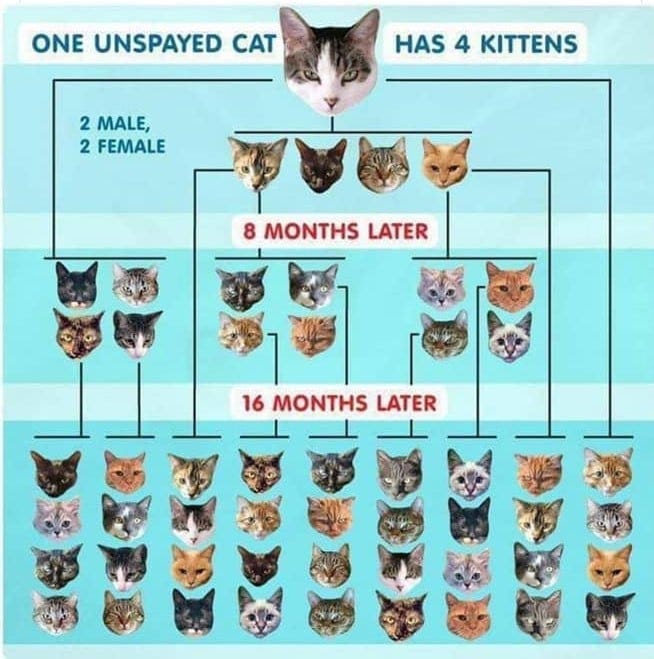
We are quietly working on an ethical, no-kill project to identify street cat colonies in Galera, including La Alquería and Cortijo del Cura, and to build support systems around the people who already care for them.
If you are feeding a street cat colony, whether it’s two cats or twenty, we would love to connect with you.
What we need is simple:
Who you are, as the colony’s main carer
Where the colony is based
Approximate numbers of males and females
This isn’t about control or oversight. It’s about coordination, support, and making sure no one is carrying this alone.
If this is you, or someone you know, please don’t assume someone else will respond. These projects only work when the quiet carers find each other.
You can reply to this message or get in touch privately to exchange information.
We truly cannot do this without you.
Thank you for everything you already do.